
Ford Powerstroke Repair
Ford Powerstroke Repair in Tanner, AL

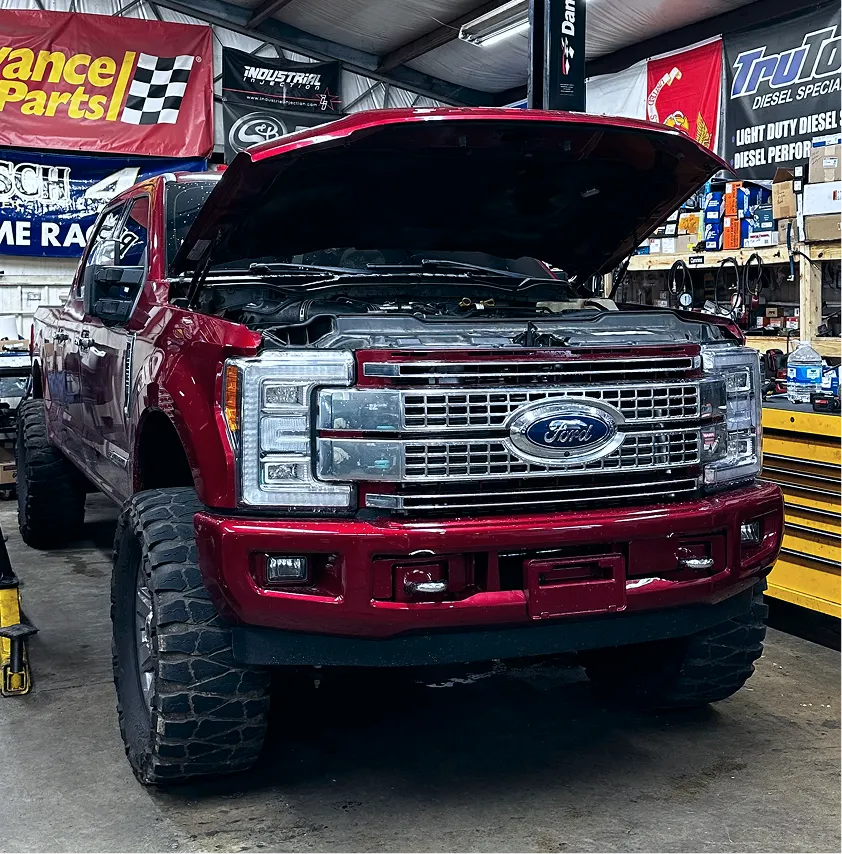
Powerstroke Diesel Service You Can Trust
Why Your Ford Powerstroke Needs Specialized Diesel Expertise
When your Ford Powerstroke diesel truck starts showing signs of trouble, you need technicians who understand the intricate systems that make these powerful engines run. At TruTorque Diesel in Tanner, Alabama, we’ve built our reputation on providing comprehensive Ford Powerstroke repair services that reliably get your truck back on the road. Your Powerstroke engine relies on precisely calibrated components like the high-pressure fuel pump, fuel injectors, and FICM (Fuel Injection Control Module) working in perfect harmony. When even one component begins to fail, it can trigger a cascade of issues that affect your truck’s performance, fuel economy, and reliability. Our diesel specialists understand how these complex systems interact, allowing us to diagnose problems accurately and recommend the most effective repairs. Whether you’re dealing with a stubborn check engine light, experiencing white smoke from the exhaust, or noticing oil in your coolant, these warning signs often indicate specific component failures that require immediate attention.
Frequently Asked Questions About Ford Powerstroke Repair
Ford Powerstroke engines require more frequent maintenance than gasoline engines, typically every 5,000-7,500 miles, depending on your driving conditions and usage patterns.
White smoke usually indicates coolant entering the combustion chamber. It is often caused by head gasket failure, cracked cylinder heads, or oil cooler problems that require immediate diagnosis.
Cold starting issues typically stem from glow plug problems, fuel system issues, or battery/electrical problems that affect the engine’s ability to reach proper operating temperature.
With proper maintenance, Ford Powerstroke engines can easily exceed 200,000-300,000 miles, though this depends heavily on maintenance history and operating conditions.
We recommend OEM or high-quality aftermarket parts that meet Ford specifications, as inferior components can lead to premature failures and additional repair costs.